MCFC Annual Display
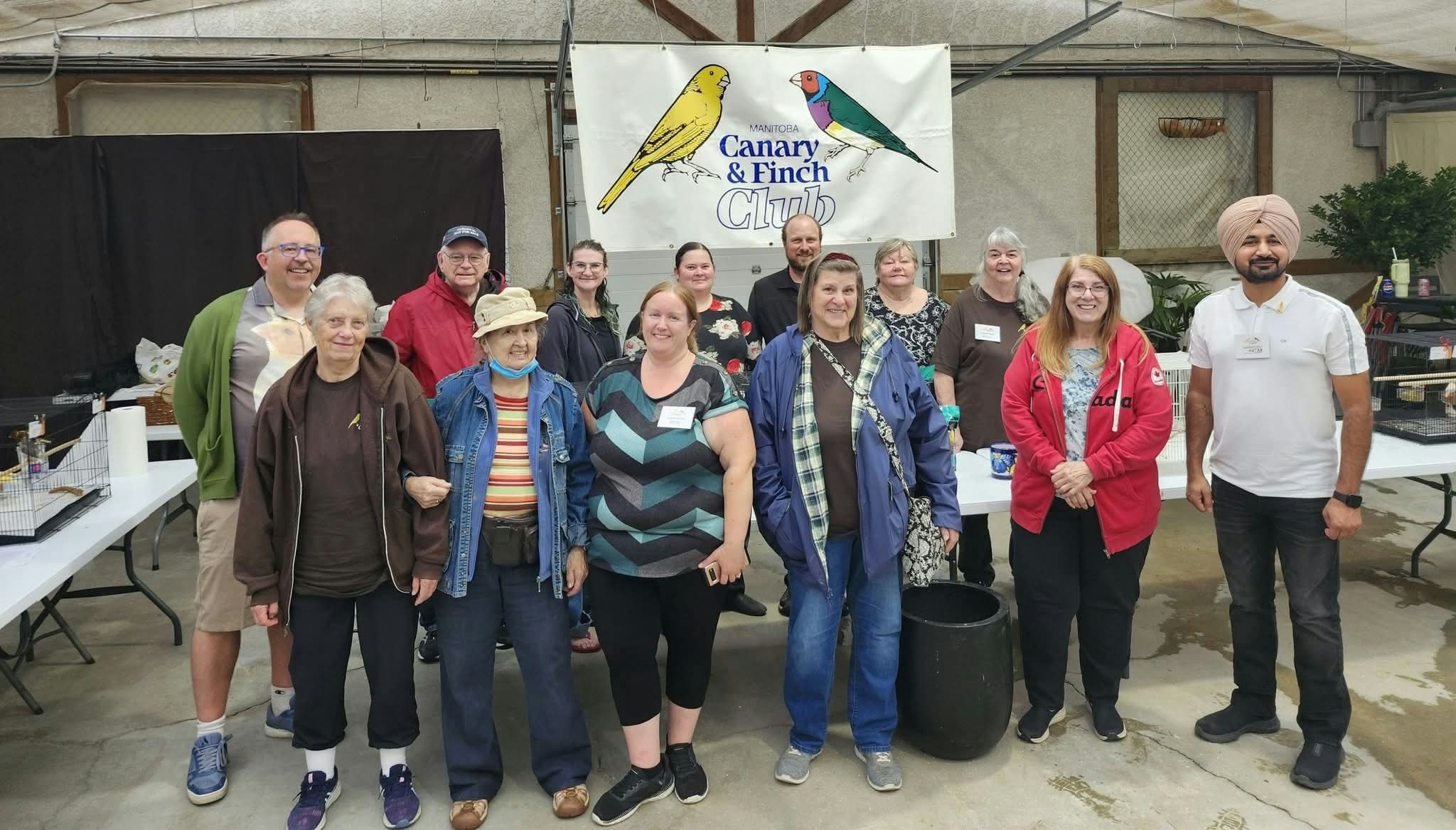
Looking back on this day, our day of Annual Display and settle in for the evening after unpacking as much as I have energy for. As the Display Coordinator for MCFC, I want to thank Shelmerdine Garden Center for their accommodations, atmosphere, ease of booking and setting up...you all were amazing in the process!
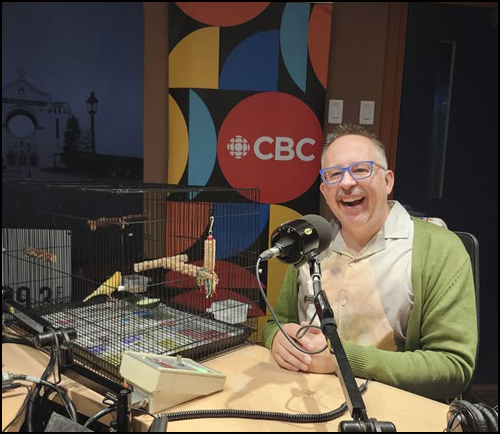
To our devoted club members near and far, for spreading the word, for showing up today, for showing the birds you care so much for on the daily, for engaging new potential members and teaching the children gentle hands around delicate birds. Our coloring table was a great success again this year, Kev... Thanks for holding down that fort and doing an astounding news interview first thing this morning with @cbc1Radio to bring even more interested hobbiest to the Display.
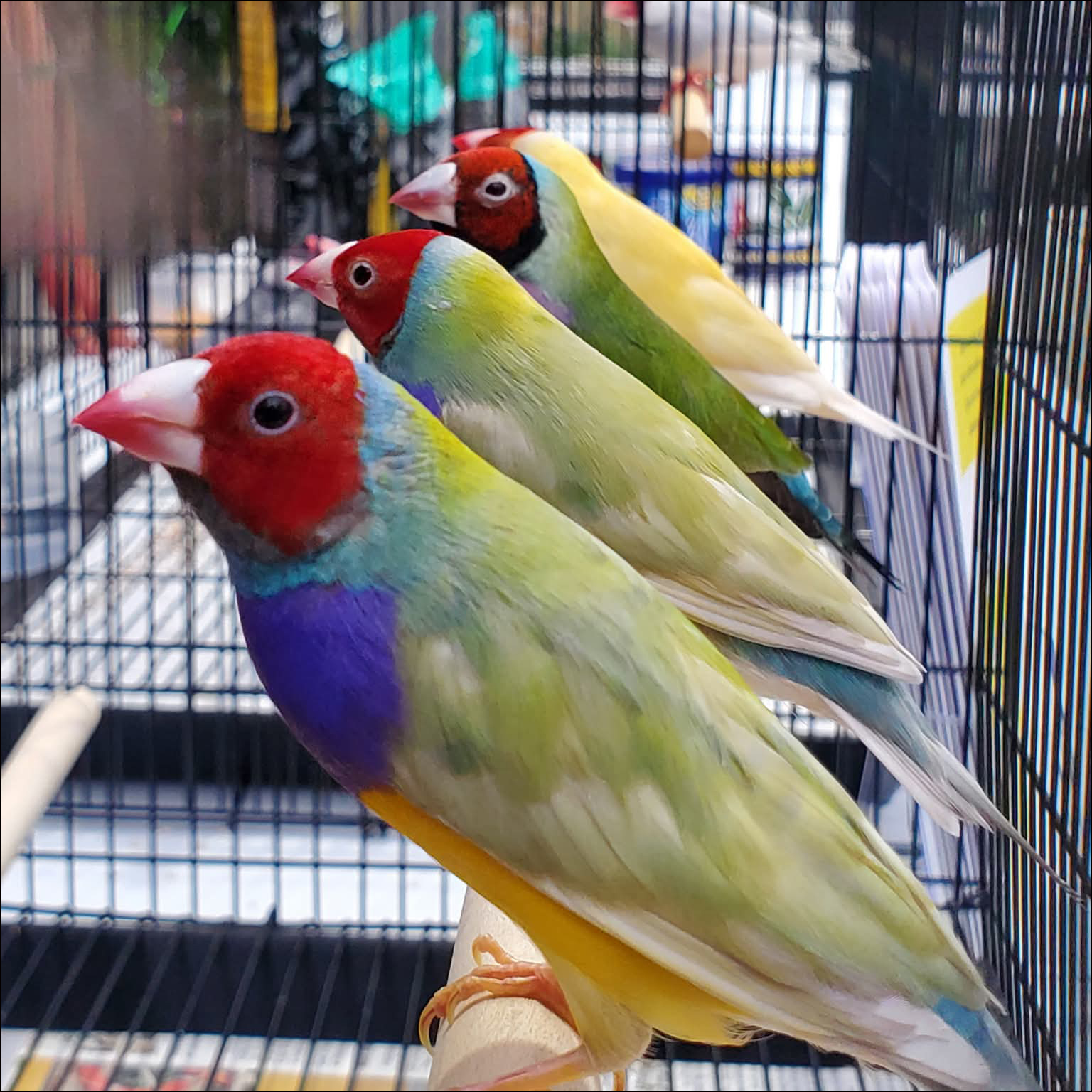
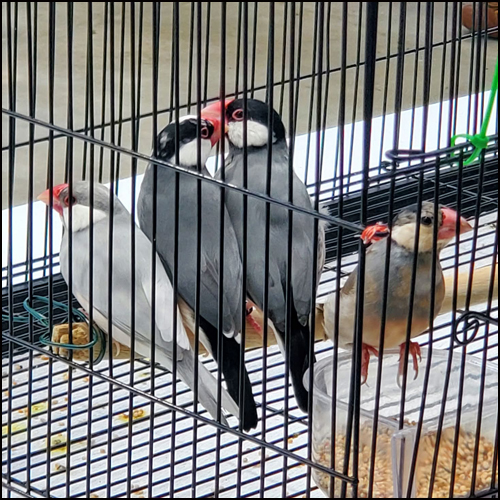
This year's turnout despite the rain was so overwhelmingly grand! People of all ages! And so many questions! We love bird questions!! The more the merrier because that's our goal with the annual display. To teach the public not only about the MB Canary and Finch Club but to teach about the hobby of bird keeping and the joys it brings.
So again, THANK YOU!! To everyone for a great turn out, for showing up to support your local bird club and for making this day unforgettable!
Until next year friends!
On the Air!
Kevin and Kevin took to the airwaves on CBC’s Weekend Morning Show with host Nadia Kidwai! Kevin Roberts and his feathered namesake, Kevin the canary, had a wonderful opportunity to talk about the Manitoba Canary and Finch Club and share the excitement surrounding our upcoming show.
Despite the early morning start, Kevin the canary was chirping and singing away right up until airtime , when he decided it was time to enjoy his breakfast instead! Even radio stars need to fuel up before a big appearance.
The interview helped spread the word about our club and brought new faces to our display! It was exciting to see how a little time on the radio could spark interest and encourage people to come out and discover the wonderful world of canaries and finches.
The connection didn’t end when the microphones were turned off. A producer from the show had reached out after seeing Jessie’s social media post. As it turned out, she was a fellow bird lover who was helping care for her grandmother’s canary.
It’s a lovely reminder that our club is about so much more than birds. It’s about the friendships, shared experiences, and unexpected connections that bring people together. Whether through a radio interview, a club display, or a conversation sparked by social media, birds have a wonderful way of bringing us all together!
MCFC August 22 Picnic/Meeting
Meeting Minutes
Attendance
17 people in attendance
3 dogs in attendance
Financial Report
Current bank balance: $3,725.60
Expenses to be deducted:
Brisket
$50 for Johan’s Get Together
Membership
Current membership: 52 members
Welcome to new members, Warren Beichter, Elizabeth van Huizen, and Humna Ejaz.
Newsletter
Next newsletter will be published in early December. Deadline for submission of articles and entries for Buy/Sell/Swap is November 15.
Website
Linda saves the day! She has been learning a new program and has our website back up and running.
Social Media
We have decided to continue maintaining the Instagram page. It will be linked to our Facebook page, allowing the same information to be shared on both platforms and helping us reach different audiences.
General Business
September 3 — On the Move Daycare
Nancy and Kev will be at On the Move Daycare on September 3. It is always a great time presenting to such an eager audience of kids.
September 5 — Johan and Pauline’s Farm
Join us at Johan and Pauline’s beautiful farm for a visit. Please let Nancy know by August 26 if you plan to attend.
September 26 — Annual Display at Shelmerdine Garden Centre.
Thank you, Jessie, for your continued work with the display!
Set-up will take place the day before, between 3:00 and 5:00 p.m. Even if you are not displaying, volunteers to help set up are always appreciated.
Please RSVP to Jessie by September 15 with the birds you are planning to bring. We are really hoping to see a greater variety of finches this year.
Further details above.
October 20 — St. James Horticultural Society
Kev will be giving a presentation at the St. James Horticultural Society. Details below. Everyone is welcome to attend.
December 12 (note date change) — Christmas Gathering
Belle’s Kitchen? Nooo... we changed it to Junction 59 Roadhouse as Belle's won't accept reservations. It was suggested to make the reservation for 1:00 PM.
Please RSVP to Nancy by November 29.
Picnic / Meeting
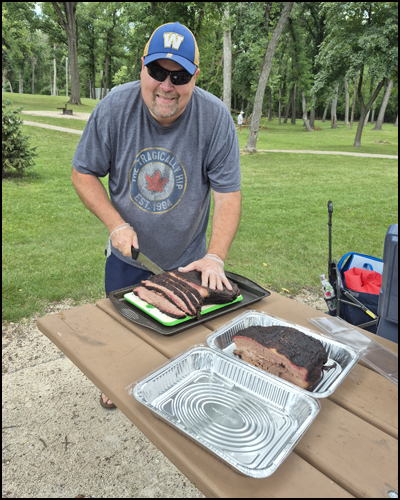
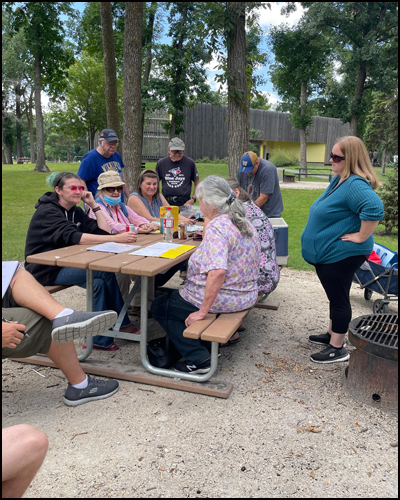
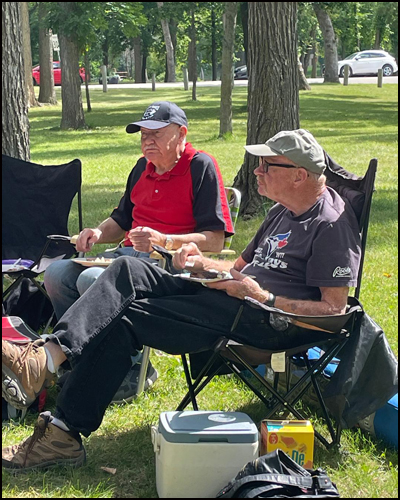
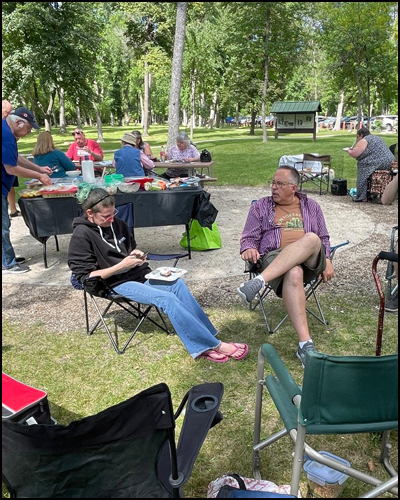
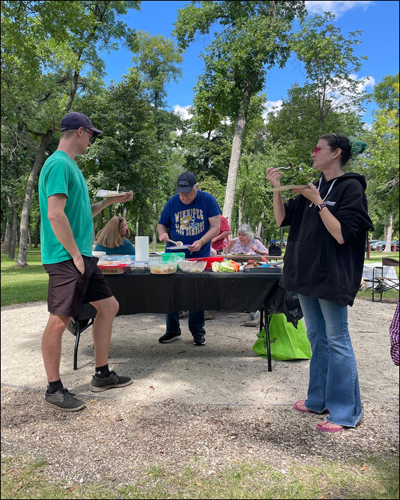
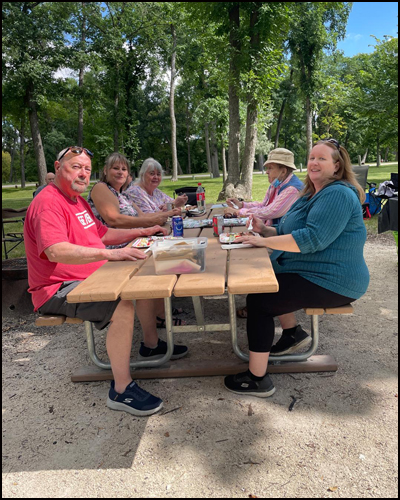
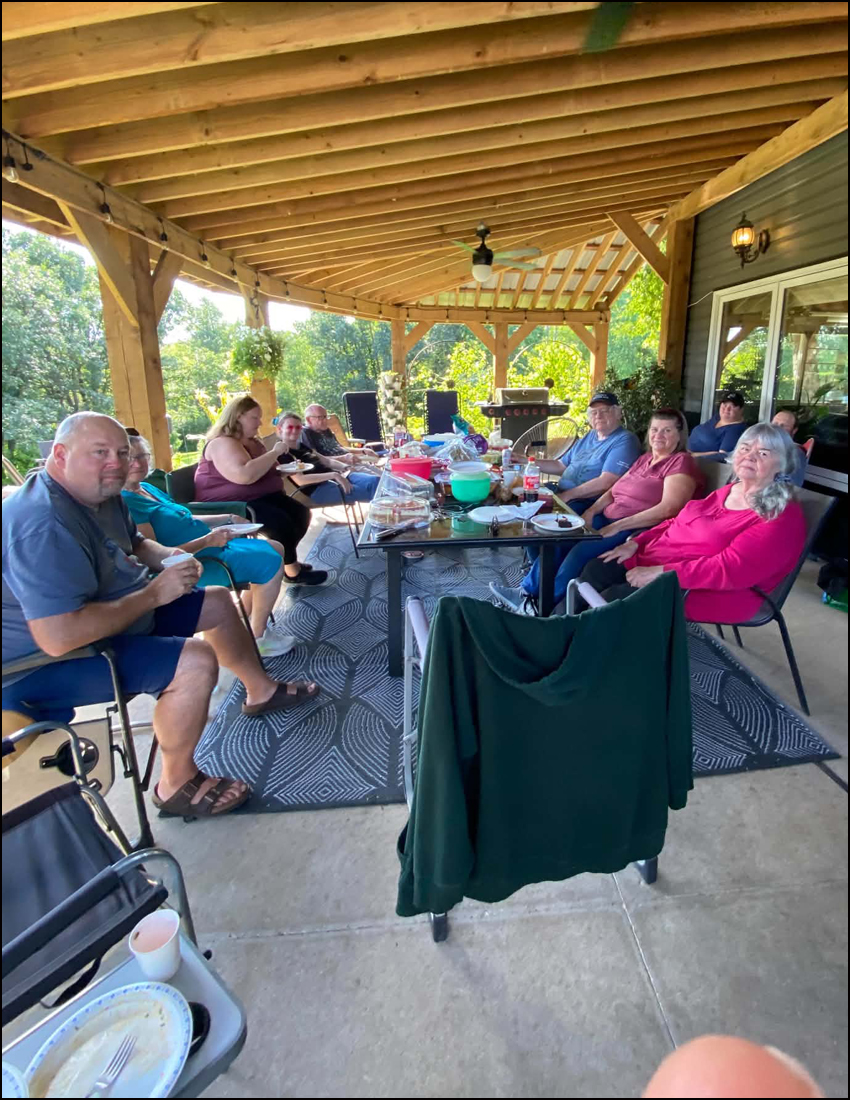
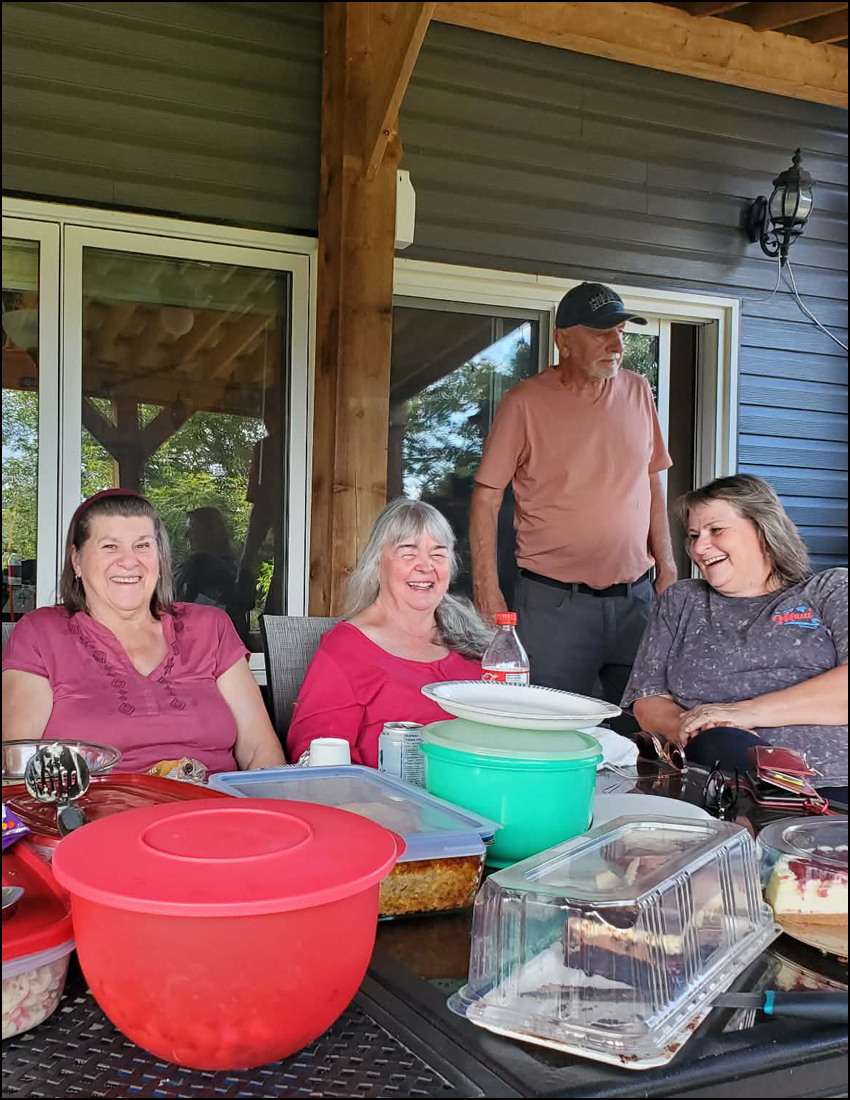
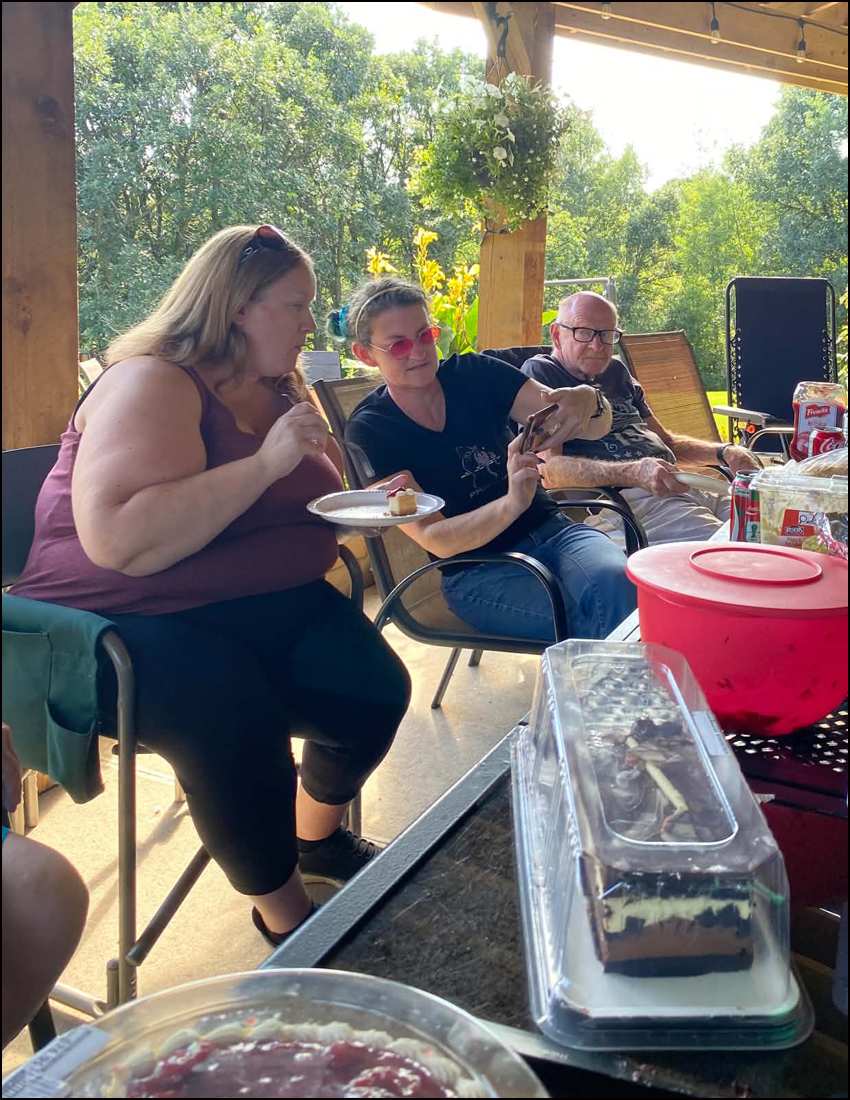
We couldn’t have asked for a more perfect day for our annual picnic. Sunny skies, mild temperatures, good food, great company, and just enough time to relax and enjoy the afternoon made for a pretty unbeatable combination.
Of course, someone had the audacity to steal our usual spot at Crescent Drive Park. But that’s okay. We simply found another spot, made the best of it, and, based on the amount of laughter and food consumed, I think it’s safe to say we had way more fun than they did. So really, we won.
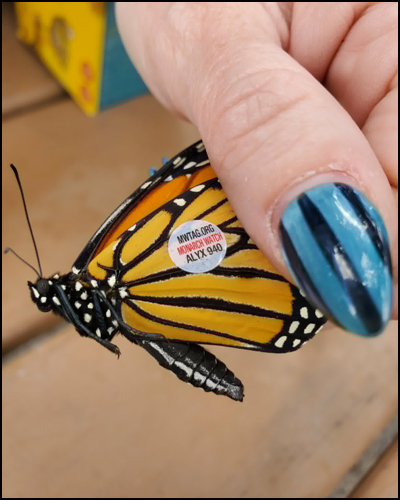
The day was made even more special when Dave released some of the monarchs he had tagged. As we chatted, ate, and soaked up the afternoon sun, a few of those beautiful butterflies kept us company, fluttering around us like tiny, unexpected guests. It was a lovely reminder of how much fun there is in sharing the day with both friends and nature.
And speaking of things worth celebrating: what’s better than butterflies? Brisket.
Frank’s brisket was absolutely killer. Mouth-watering, fall-apart, smoky perfection. I would like to formally propose that Frank’s brisket become a Thing. A very important Thing. A recurring Thing. Perhaps we need a Brisket Picnic next year. And the year after that. And again. And AGAIN.
I am completely okay with this plan.
And finally, thank you to everyone who brought a tiny dog. They added an entirely new level of adorableness to the afternoon and provided plenty of entertainment for everyone. Nancy and Kev have officially voted, and the theme for next year’s picnic has been decided:
BIG DOGS.
Small dogs with big personalities are, of course, welcome. Small dogs wearing bowties are also welcome. Frankly, any dog with an appropriately enthusiastic picnic attitude will be considered.
Thank you to everyone who came out, brought food, brought butterflies, brought dogs, brought laughter, or simply brought themselves. These picnics are special because of the people who show up and make them memorable.
Until next year: may your skies be sunny, your butterflies be plentiful, your dogs be adorable, and your brisket be Frank’s.
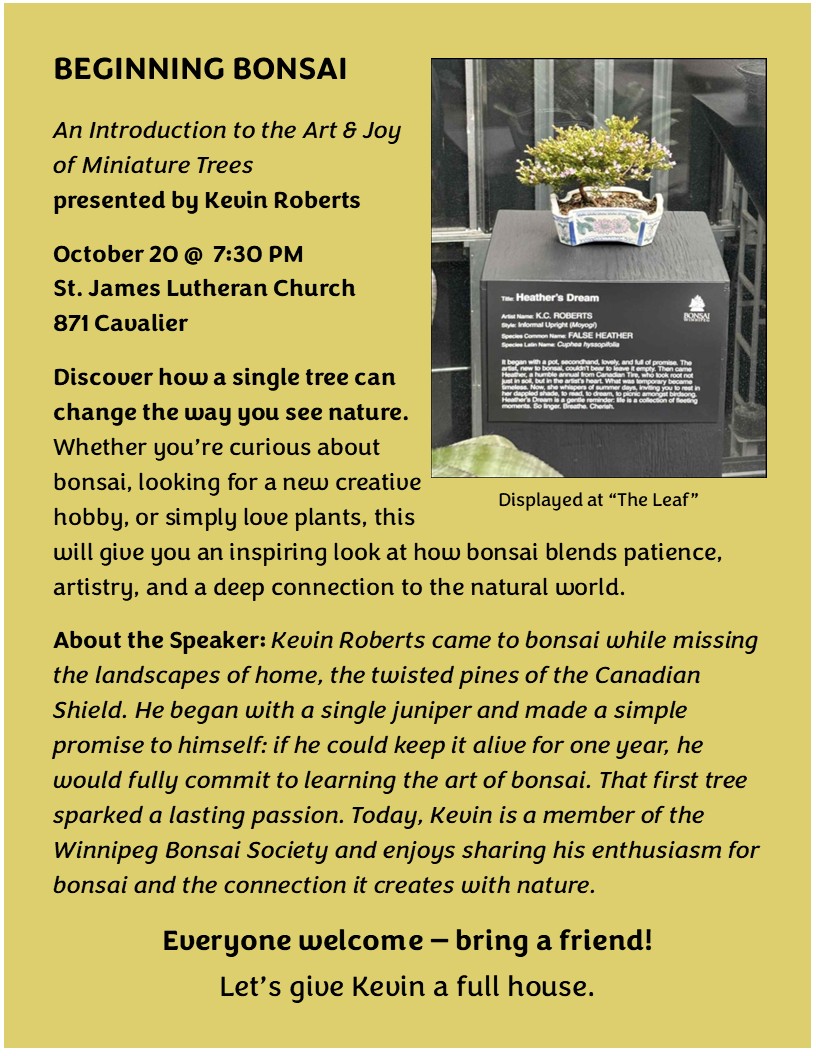
BEGINNING BONSAI
with Guest Speaker Kevin
Our very own bird club member Kevin Roberts will be presenting Beginning Bonsai at the St. James Horticultural Society on October 20 at 7:30 pm. It would be wonderful to see some familiar faces there — let’s show Kevin our support and enjoy an inspiring evening together.
On the Move Daycare
A Visit with the Canaries!
In early September, Nancy and Kevin visited On the Move Daycare to introduce children aged 4–11 to some special feathered friends! We presented to three separate groups, sharing our canaries and giving the children a chance to learn more about these wonderful birds.
The most popular question of the day? “What’s that one’s name?” The children were fascinated by the canaries, and their curiosity and enthusiasm made the visit a real joy.
It was a wonderful opportunity to share our love of birds with the next generation of bird enthusiasts. And the children weren’t the only ones who benefited! It was a great experience for our canaries to get out, meet some new people, and enjoy a change of scenery, too.
A big thank-you to On the Move Daycare for welcoming us and giving us the opportunity to share the joy of canaries with their children!
Johan and Pauline’s Farm
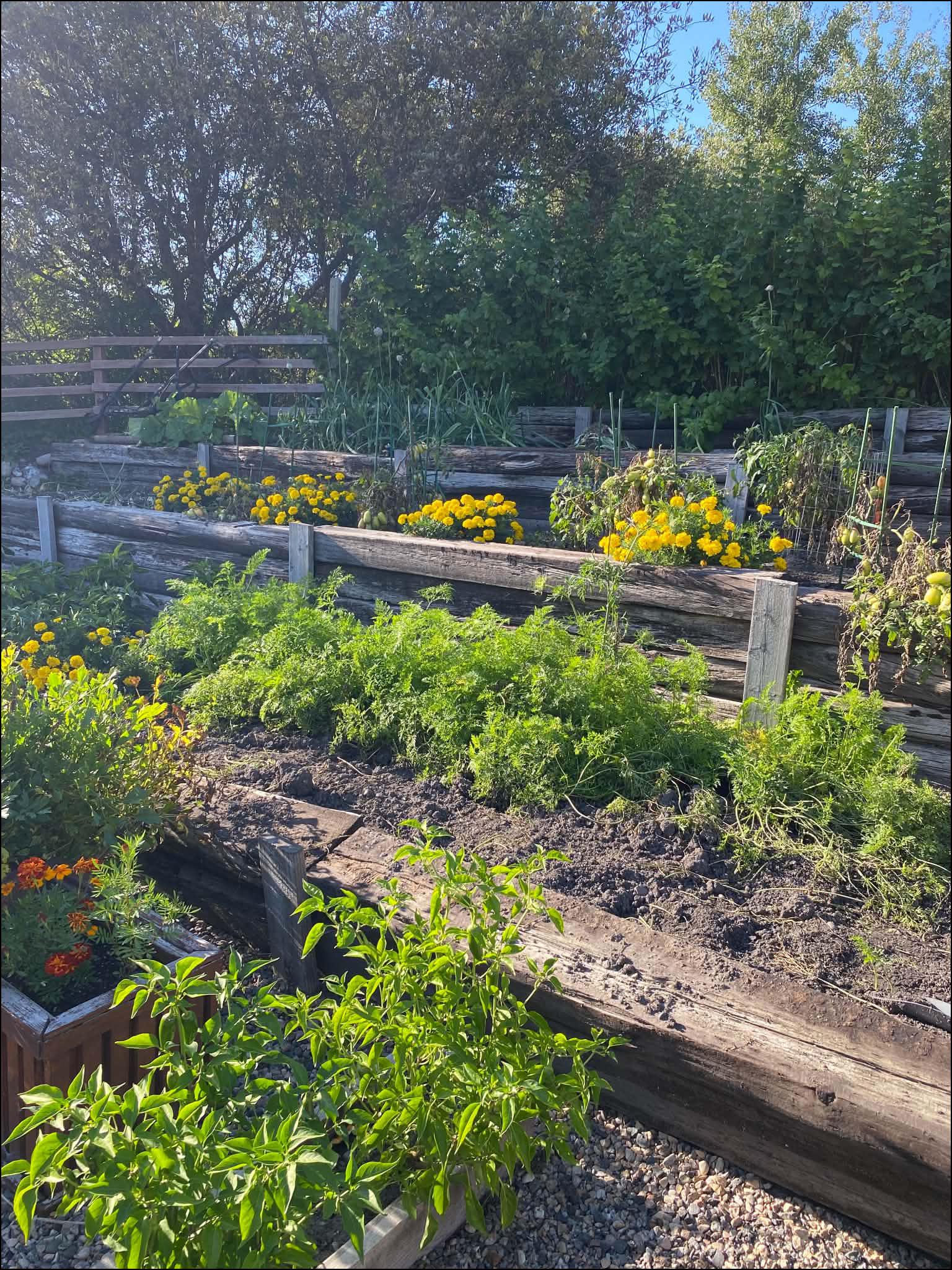
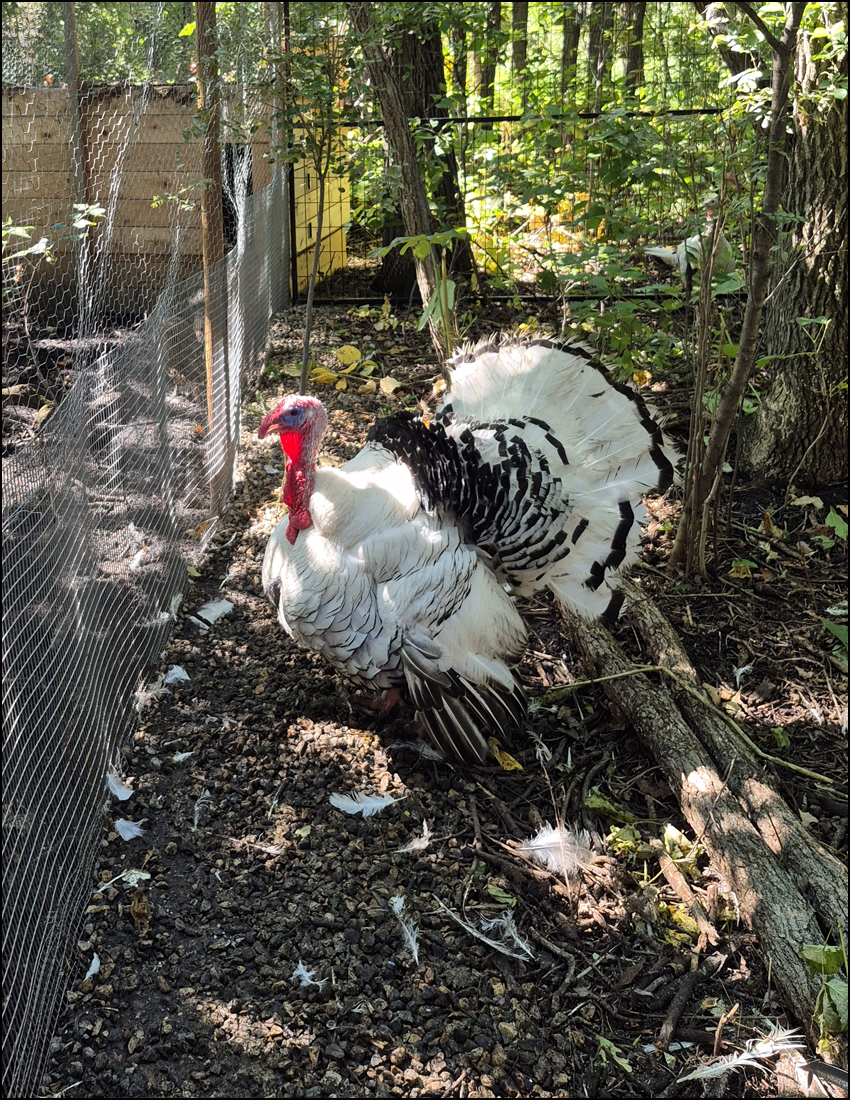
A very special thank you to Johan and Pauline for once again welcoming us to their beautiful home in Rivers, Manitoba. What began as a simple invitation a few years ago has grown into a cherished annual tradition that our club looks forward to every year.
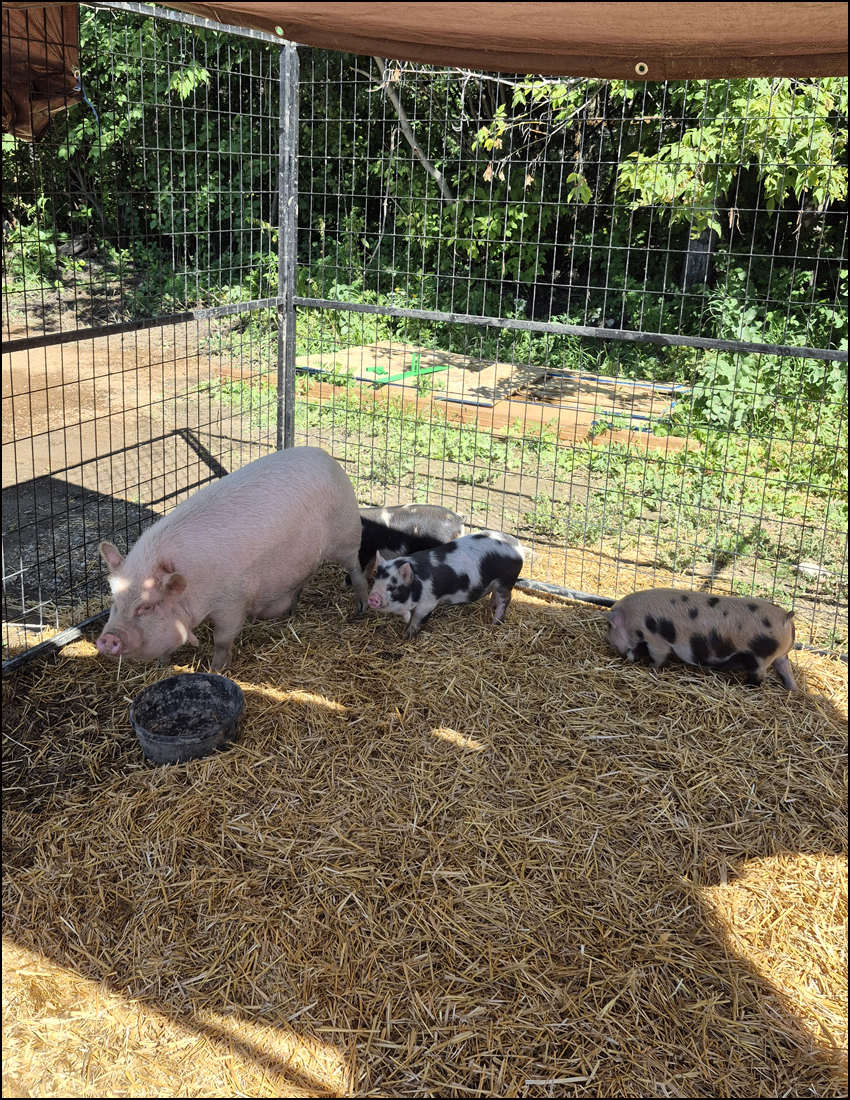
Their stunning property, the gardens, the wide open space, and the incredible variety of fowl make the visit something truly unique — and this year’s new addition, a proud mother pig and her three lively piglets, was a delight for everyone.
We deeply appreciate their generosity, hospitality, and the opportunity to gather as a community. It’s always worth the two‑plus hour drive, and we are grateful for everything they do to make this potluck such a memorable event.
Call of the Wild?
How Canaries Learn Their Song
by Kevin Roberts
Kevin spends the summers with me out at St. Malo, our little haven for over 50 bird species. Most days, he is outside with me while I work quietly in the yard.
Last summer was our first together. I would often catch a flash of bright yellow moving through the trees, and for a split second, panic would set in! My mind jumping to the idea that Kevin had escaped his cage. My heart would drop, only for me to quickly realize he was safe and sound. It was a goldfinch I was seeing.
Over time, I learned to recognize the call of the American goldfinch and could stay calm, knowing it wasn’t Kevin. But then something unexpected happened. As the summer went on, Kevin’s own vocalizations began to sound increasingly like those of his wild neighbours. At times, I could no longer easily tell his calls apart from the goldfinches around us. It left me wondering: was Kevin picking up the “Call of the Wild”?
What I was hearing is closely connected to how canaries and other songbirds learn their songs. Their vocalizations are not fixed at birth, but shaped by experience, practice, and the sounds they hear around them. Kevin’s changing song offers a small window into a process known as vocal learning.
Canaries do not hatch knowing their full song. Instead, they develop it over time through listening, practice, and repetition.
Young male canaries go through a sensitive learning period where they listen closely to adult birds. From this, they form a mental “song template” that guides their future singing.
At first, their sounds are unstructured and variable, often called subsong. During this stage, they are experimenting with voice control rather than producing a full, stable song.
With repeated practice, canaries gradually match their vocal output to the stored template. Their song becomes more structured, forming repeating patterns called syllables and motifs.
Specialized song-control regions in the brain help the bird compare what it sings to what it remembers. Through constant auditory feedback, the song becomes more accurate and refined over time.
Unlike many songbirds that stop learning their songs after their first year, canaries are considered open-ended learners. During each annual molting season, when they temporarily stop singing, their song system becomes more flexible again. This renewed neural plasticity allows them to modify existing songs and even add new syllables. As adults, they are not simply repeating a fixed song, but gradually reshaping it across seasons.
The acoustic environment also plays a major role. Canaries raised around strong, complex songs tend to develop richer vocalizations, while those without good models often produce simpler songs. This highlights the importance of social and auditory experience in shaping song structure.
Canary song is not a fixed instinct but a living, changing behavior shaped by listening, memory, practice, and ongoing brain plasticity. As a teacher, I find this utterly fascinating! Over time, these influences combine to produce the rich and varied songs we hear, sometimes even blending in surprising ways with the voices of wild birds nearby, just as Kevin’s summer calls seem to do.
ApplicationManitoba Canary and Finch Club Application
Application.pdf
Please Download
*MEMBERSHIP FEE AS FOLLOWS: Single Membership $20.00 a year, Family $25.00, Under 16 FREE
PLEASE NOTE LINDA'S CHANGE OF ADDRESS (OUR MEMBERSHIP CO-ORDINATOR)
Please send the completed application form (link below) and cheque to:
THE MANITOBA CANARY AND FINCH CLUB
ATTN: LINDA RUDACHEK
Unit 408, 70 Park E Dr,
Winnipeg, MB R3Y 2J41
E-transfers are also accepted (lrudachek@shaw.ca)